
LOSE OR BREAK THEM?
We replace them.
































The Silent Storyteller – How Eyewear Shapes Perception and Experience
The experience of wearing light-filtering eyewear is an interesting interplay between the physical sensation of comfort and the psychological effect it has on how we interact with the world. It’s a tool that not only alters the environment we see but also changes the way the environment sees us. This dual function—as a filter for vision and a shield for identity—gives the accessory a unique position in the pantheon of personal accoutrements.
When the lenses come down, a subtle transformation occurs. Visually, the harsh brightness of the sun is softened, colors often appear more saturated, and the world takes on a pleasant, cinematic quality. The glare is tamed, allowing the wearer to see subtle details previously obscured by reflection. This enhancement of the visual environment makes many outdoor experiences more enjoyable, transforming a squinting struggle into a relaxed, effortless gaze. Imagine standing at the water’s edge: without protection, the surface is a blinding sheet of white; with the appropriate lenses, the reflections disappear, allowing the eye to see into the depths, revealing the textures and movements beneath the surface. This functional enhancement contributes directly to a better quality of life and appreciation of the surroundings.
From a sociological perspective, the accessory serves as a momentary veil. By obscuring the eyes—often considered the most expressive part of the human face—the wearer gains a level of anonymity and distance. This subtle removal from direct visual connection can be incredibly liberating. It allows for a more relaxed observation of the environment without the pressure of reciprocal eye contact. People often feel a sense of confidence when their eyes are hidden, perhaps because they perceive a diminished vulnerability. This psychological boost is part of what makes the item so appealing. It’s a small piece of armor for the modern world, enabling the wearer to observe the bustle of life with a sense of calm detachment.
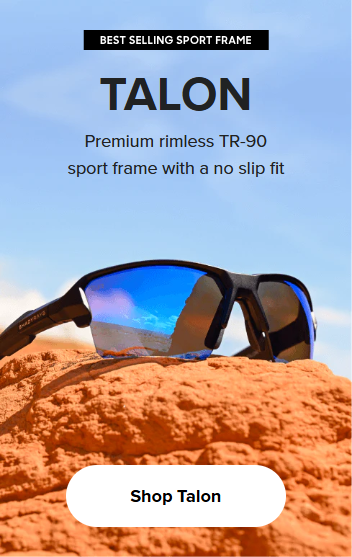
The construction of the frame itself is a critical element in the overall experience. The materials chosen—be they light, resilient compounds or materials with a substantial, classic feel—dictate the longevity and comfort of the piece. A well-designed frame distributes weight evenly and sits comfortably for extended periods, making it an imperceptible part of the wearer’s daily attire. Conversely, a poorly fitted pair is a constant distraction. The evolution of frame construction has moved toward ergonomic designs that prioritize both durability and a featherlight feel, making them suitable companions for everything from high-intensity activities to quiet reading in the open air. The careful engineering involved in creating a frame that is both strong enough to hold complex lenses and light enough to be worn for hours speaks to the commitment behind the creation of this seemingly simple object.
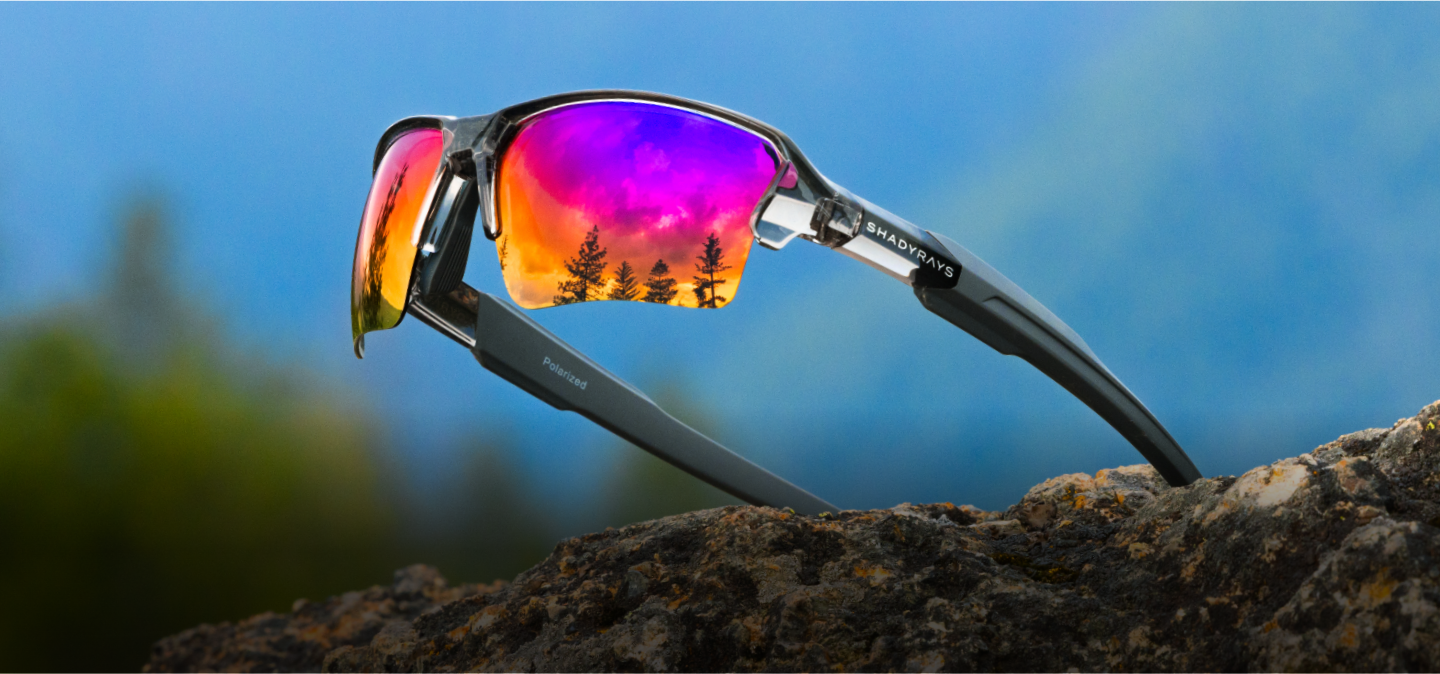
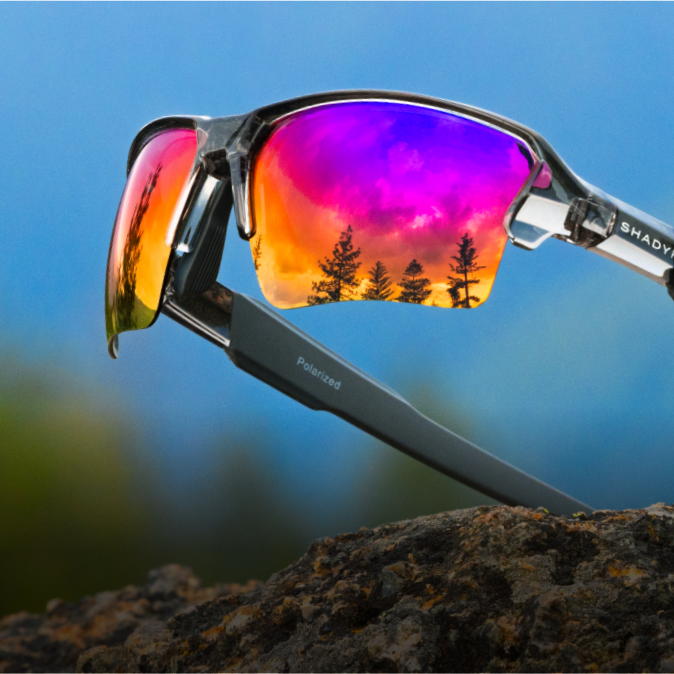
Furthermore, the choice of protective eyewear is intimately tied to the concept of activity-specific gear. Just as certain footwear is designed for running and others for climbing, there are specialized frames and lenses tailored for various pursuits. For instance, pieces designed for high-speed sports often feature a wrapped, close-fitting shape to maximize peripheral coverage and prevent the accessory from shifting during rapid movement. Lenses intended for the demanding conditions of high altitudes or water sports incorporate specialized mirror coatings to reflect intense light, preventing it from even entering the lens material. This level of specialization demonstrates that the item is a highly evolved tool, engineered to optimize human performance and protection in a vast array of challenging light and environmental conditions.
The collective memory and cultural significance surrounding this accessory also contribute to its power. It is often associated with figures of glamour, adventure, and confident independence. This cultural association imbues the item with a meaning that goes beyond its physical utility. When a person dons a particular shape or style, they are not just mitigating glare; they are subtly referencing an established aesthetic, aligning themselves with a certain lineage of cool. It is an artifact that has been continuously reinvented and reinterpreted across decades, always maintaining its relevance and its essential function. The narrative of the piece—from a practical necessity for early aviators and drivers to a mainstay of contemporary fashion—is a testament to its enduring versatility and its ability to adapt to changing human needs and aesthetic sensibilities.
In essence, light-filtering eyewear is a silent storyteller. It narrates a tale of technical innovation dedicated to eye wellness, a personal story of style and self-assurance, and a dynamic account of how we choose to filter the visual information of the world. It frames our perspective, protects our vision, and, in a quiet but powerful way, allows us to step into the light with ease and confidence, ready to engage with the environment on our own terms.